Ultrasonic inspection is a non-destructive testing (NDT) method widely used in the manufacturing industry to detect internal flaws in materials. As a leading supplier of aluminum forging tubes, I understand the importance of ensuring the quality and integrity of our products. In this blog post, I will share with you the ultrasonic inspection process for aluminum forging tubes, including its principles, procedures, and significance. Aluminum Forging Tube
Principles of Ultrasonic Inspection
Ultrasonic inspection is based on the principle of sound wave propagation in materials. When an ultrasonic wave is introduced into a material, it travels through the material until it encounters a boundary or a flaw. At the boundary or flaw, the ultrasonic wave is reflected, refracted, or absorbed, depending on the properties of the material and the nature of the flaw. By analyzing the reflected or transmitted ultrasonic waves, we can detect the presence, location, and size of internal flaws in the material.
In the case of aluminum forging tubes, ultrasonic inspection is used to detect flaws such as cracks, porosity, inclusions, and voids. These flaws can affect the mechanical properties and performance of the tubes, leading to premature failure or reduced service life. By detecting these flaws early, we can take corrective actions to ensure the quality and reliability of our products.
Procedures of Ultrasonic Inspection
The ultrasonic inspection process for aluminum forging tubes typically involves the following steps:
Preparation
Before the inspection, the tubes need to be cleaned and prepared to ensure good contact between the ultrasonic transducer and the tube surface. The tubes are usually cleaned with a solvent to remove any dirt, grease, or oxide layers that may interfere with the ultrasonic wave propagation. The transducer is also calibrated to ensure accurate measurement of the ultrasonic waves.
Inspection Setup
The tubes are placed on a suitable inspection platform, and the ultrasonic transducer is positioned on the tube surface. The transducer is connected to an ultrasonic flaw detector, which generates and receives the ultrasonic waves. The flaw detector is set to the appropriate frequency and gain settings to optimize the detection of flaws.
Scanning
The ultrasonic transducer is moved along the tube surface in a systematic manner to scan the entire length and circumference of the tube. The transducer emits ultrasonic waves into the tube, and the reflected waves are received and analyzed by the flaw detector. The flaw detector displays the amplitude and time-of-flight of the reflected waves, which can be used to determine the presence and location of flaws.
Data Analysis
The data collected during the scanning process is analyzed to determine the size, shape, and location of the flaws. The flaw detector can provide information such as the flaw depth, length, and width, as well as the distance from the tube surface. This information is used to evaluate the severity of the flaws and to determine whether the tubes meet the required quality standards.
Reporting
The results of the ultrasonic inspection are documented in a report, which includes the inspection date, tube specifications, inspection method, and the location and size of any flaws detected. The report is used to provide feedback to the manufacturing process and to ensure that the tubes meet the required quality standards.
Significance of Ultrasonic Inspection
Ultrasonic inspection is an important quality control tool for aluminum forging tubes. It provides a non-destructive and reliable method for detecting internal flaws in the tubes, which can help to prevent premature failure and ensure the safety and reliability of the products. By detecting flaws early, we can take corrective actions to improve the manufacturing process and reduce the risk of product recalls and customer complaints.
In addition to quality control, ultrasonic inspection can also be used for research and development purposes. By analyzing the ultrasonic inspection data, we can gain a better understanding of the material properties and the behavior of flaws in the tubes. This information can be used to optimize the manufacturing process and to develop new materials and products with improved performance and reliability.
Conclusion
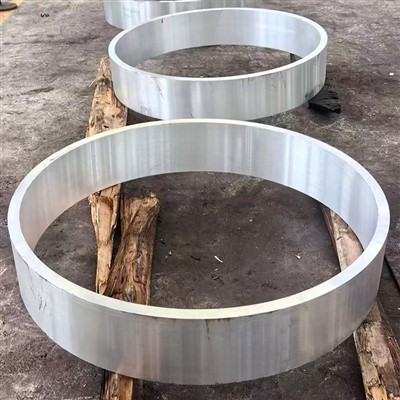
Ultrasonic inspection is a critical process for ensuring the quality and integrity of aluminum forging tubes. As a supplier of aluminum forging tubes, we are committed to providing our customers with high-quality products that meet their specific requirements. By using ultrasonic inspection, we can detect and eliminate internal flaws in the tubes, ensuring that they meet the highest quality standards.
Aluminum Rolled Plate If you are interested in purchasing aluminum forging tubes or have any questions about our products or services, please contact us. We would be happy to discuss your needs and provide you with a quote.
References
- ASME Boiler and Pressure Vessel Code, Section V – Nondestructive Examination
- ASTM E114 – Standard Practice for Ultrasonic Pulse – Echo Straight – Beam Examination by the Contact Method
- ISO 16810:2012 Non – destructive testing — Ultrasonic testing — General principles of ultrasonic testing
Southwest Aluminum(Kunshan)Co., Ltd.
We’re professional aluminum forging tube manufacturers and suppliers in China, specialized in providing high quality customized service. We warmly welcome you to buy high-grade aluminum forging tube from our factory.
Address: 525 Maoxu Road, Shipai, Bacheng Town, Kunshan City, Jiangsu Province
E-mail: quan@ksxinan.com
WebSite: https://www.southwest-aluminium.com/
