As a supplier of wood crushers, I’ve had the privilege of working closely with these powerful machines and interacting with numerous customers who rely on them daily. Wood crushers are essential equipment in various industries, including forestry, woodworking, and biomass energy production. However, like any mechanical device, they are prone to several common maintenance problems. In this blog post, I’ll share my insights into these issues, their causes, and how to address them effectively. Wood Crusher
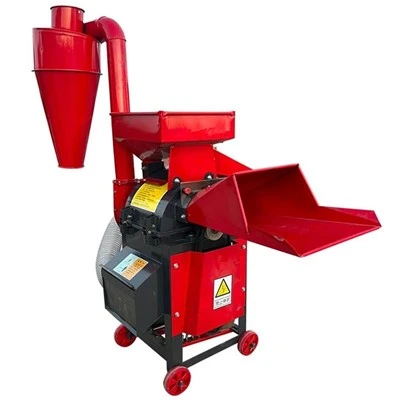
1. Blade Wear and Dullness
One of the most prevalent issues with wood crushers is blade wear. The blades are the heart of the machine, responsible for cutting and shredding wood. Over time, continuous contact with hard and abrasive wood materials causes the blades to wear down. This wear can result in reduced cutting efficiency, uneven shredding, and increased energy consumption.
Causes:
- Type of Wood: Hardwoods, such as oak and maple, are more abrasive than softwoods like pine and cedar. Using a wood crusher primarily on hardwoods will accelerate blade wear.
- Foreign Objects: If the wood fed into the crusher contains nails, stones, or other foreign objects, these can cause significant damage to the blades.
- Lack of Lubrication: Insufficient lubrication can lead to increased friction between the blades and the wood, speeding up wear.
Solutions:
- Regular Inspection: Check the blades frequently for signs of wear, such as chipping or rounded edges. Replace worn blades promptly to maintain optimal performance.
- Use the Right Blades: Select blades that are appropriate for the type of wood you’re processing. Some blades are designed specifically for hardwoods, offering greater durability.
- Remove Foreign Objects: Before feeding wood into the crusher, ensure that it is free of nails, stones, and other debris. This can prevent unnecessary damage to the blades.
2. Belt Tension Problems
Belts play a crucial role in transferring power from the motor to the crusher’s blades. If the belts are too loose or too tight, it can lead to a variety of problems, including reduced power transmission, belt slippage, and premature belt wear.
Causes:
- Normal Wear and Tear: Over time, belts stretch and lose their tension. This can happen gradually, especially with frequent use.
- Improper Installation: If the belts are not installed correctly, they may not be adjusted to the proper tension from the start.
- Environmental Factors: Extreme temperatures, humidity, and exposure to chemicals can also affect belt tension and durability.
Solutions:
- Regular Tension Checks: Use a belt tension gauge to check the tension of the belts regularly. Adjust the tension as needed to ensure optimal performance.
- Proper Installation: Follow the manufacturer’s instructions carefully when installing new belts. Make sure they are aligned correctly and tightened to the recommended tension.
- Replace Worn Belts: If a belt shows signs of excessive wear, such as cracking or fraying, it should be replaced immediately.
3. Motor Overheating
The motor is the power source of the wood crusher, and overheating can be a serious problem. Overheating can not only reduce the motor’s lifespan but also pose a safety hazard.
Causes:
- Overloading: Running the wood crusher beyond its recommended capacity can cause the motor to overheat. This is often due to feeding too much wood into the machine at once.
- Poor Ventilation: If the motor’s cooling system is blocked or restricted, it can’t dissipate heat effectively, leading to overheating.
- Electrical Issues: Faulty wiring, loose connections, or a malfunctioning capacitor can also cause the motor to overheat.
Solutions:
- Avoid Overloading: Make sure to follow the manufacturer’s guidelines regarding the maximum amount of wood that can be processed at once. If you need to process large volumes of wood, consider using a larger capacity wood crusher.
- Keep the Motor Cool: Ensure that the motor’s cooling fins are clean and free of debris. If the crusher is located in a hot environment, consider using additional cooling methods, such as a fan.
- Check Electrical Components: Regularly inspect the motor’s wiring and connections for signs of damage or wear. If you suspect an electrical issue, have a qualified electrician diagnose and repair it.
4. Clogging of the Crushing Chamber
A clogged crushing chamber is another common problem that can disrupt the operation of a wood crusher. When the crushing chamber becomes blocked, the machine may stop working or operate inefficiently.
Causes:
- Incorrect Wood Size: Feeding wood that is too large or too irregularly shaped can cause it to get stuck in the crushing chamber.
- Moisture Content: Wood with a high moisture content can become sticky and difficult to process, leading to clogging.
- Build-up of Debris: Over time, debris can accumulate in the crushing chamber, reducing the available space for wood to pass through.
Solutions:
- Properly Size the Wood: Before feeding wood into the crusher, make sure it is cut to the appropriate size. Follow the manufacturer’s recommendations for the maximum wood size that the crusher can handle.
- Reduce Moisture Content: If possible, dry the wood before processing it. This can make it easier to crush and reduce the risk of clogging.
- Clean the Crushing Chamber: Regularly clean the crushing chamber to remove any accumulated debris. Use a brush or compressed air to clear out the chamber.
5. Bearing Failure
Bearings are essential components in a wood crusher, as they support the rotating shafts and reduce friction. When bearings fail, it can cause the machine to vibrate excessively, make unusual noises, and eventually stop working.
Causes:
- Lack of Lubrication: Bearings require proper lubrication to function smoothly. If they are not lubricated regularly, the friction can cause them to overheat and wear out.
- Contamination: Dust, dirt, and other contaminants can enter the bearings, causing damage and premature failure.
- Excessive Load: Running the wood crusher under heavy loads for extended periods can put too much stress on the bearings, leading to failure.
Solutions:
- Regular Lubrication: Follow the manufacturer’s recommended lubrication schedule for the bearings. Use the appropriate type of lubricant and apply it in the correct amount.
- Keep the Bearings Clean: Seal the bearings to prevent contaminants from entering. If the crusher is used in a dusty environment, consider using additional protection, such as dust covers.
- Avoid Overloading: Make sure to operate the wood crusher within its recommended capacity to avoid putting excessive stress on the bearings.
Conclusion

Maintaining a wood crusher properly is essential for ensuring its long-term performance and reliability. By being aware of these common maintenance problems and taking proactive steps to address them, you can minimize downtime, reduce repair costs, and extend the lifespan of your wood crusher.
Multifunction Chaff Cutter If you’re in the market for a high-quality wood crusher or need advice on maintenance and troubleshooting, I’d be more than happy to help. Our team of experts is dedicated to providing the best solutions for your wood processing needs. Don’t hesitate to reach out to us to discuss your requirements and explore how our wood crushers can benefit your business.
References
- Machinery’s Handbook: A comprehensive guide to mechanical engineering and manufacturing, which provides detailed information on the operation and maintenance of industrial machinery, including wood crushers.
- Wood Processing Industry Publications: Various industry-specific magazines and journals that offer insights into the latest technologies, best practices, and maintenance tips for wood crushers.
Zhengzhou Xinyihaotong Machinery Manufacturing Co., Ltd.
As one of the most professional wood crusher manufacturers in China, we also support custom service. We warmly welcome you to buy high quality wood crusher for sale here from our factory. For price consultation, contact us.
Address: Rooms 2301–2312, Jiayi Building, Xinxiang City, Henan Province, China
E-mail: zhaoyixuan5566@gmail.com
WebSite: https://www.xyhtmachinery.com/
