Yo, let’s cut to the chase—if you’re in the market for flexible bags, stretchability is probably one of the first things you’re asking about. And as a supplier who’s talked this out with 100+ e-commerce brands, food packagers, and even small-batch craft creators over the last 5 years, I’ll break this down like we’re geeking out over a new product line, not a textbook. Flexible Bags
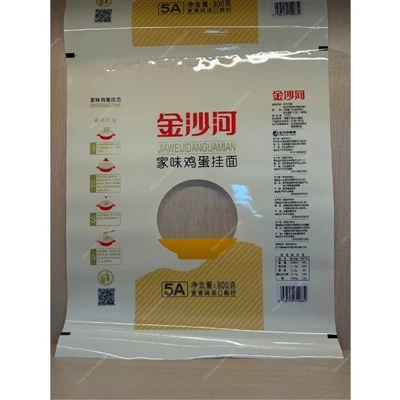
First, what even is stretchability for flexible bags? It’s not just how far you can yank a bag before it rips—though that’s part of it. It’s the balance between giving a little to fit irregular-shaped stuff (like a 5lb bag of heirloom tomatoes that don’t stack perfectly, or a big batch of organic dog treats in a resealable bag) and holding enough tension to not snap when you’re filling it, stacking it on a pallet, or dropping it on a shipping dock. If a bag stretches too easy, it’ll bag out mid-shipment, look messy on store shelves, or even burst at the bottom if you overfill it. Too stiff, and it’ll split the second you try to cram a bulky product inside. We’ve had clients come to us before with horror stories: their old bags would snap during packaging, making their production lines grind to a halt, or their end customers would get half a bag of product because it tore open in transit. So stretchability isn’t a “nice to have”—it’s a make-or-break for so many use cases.
Let’s get into the actual specs, no jargon promise. Most flexible bags we make use either polyethylene (PE) — low-density (LDPE) or linear low-density (LLDPE) — or a blend of PE with a tiny bit of nylon if you need extra punch. Stretchability here is measured two ways: elongation at break and modulus, and these aren’t just numbers on a spec sheet. Elongation at break is how much the bag can stretch before it tears. For standard resealable stand-up pouches (the ones you see for protein powder or craft snacks), that’s usually 300-500%—meaning a 10-inch bag can stretch to 30-50 inches before it breaks. LLDPE is better here than old LDPE because it doesn’t stretch into that thin, floppy mess as it pulls; it holds its shape more, which is why most brands switch to LLDPE these days. Nylon-blend bags hit higher—600-800% elongation—because they’re for super bulky stuff, like a 10lb bag of rice or a big box of laundry detergent that needs to flex around corners. That modulus number? It’s a fancy way of saying “how hard it is to stretch the bag at all.” A high modulus means it’s stiffer—good for standing up on a shelf without flopping over—while a low modulus is stretchier, great for squeeze bags (like toothpaste or condiment packets) that need to give a little when you squeeze.
Wait, but stretchability isn’t one-size-fits-all. That’s where I see a lot of brands mess up. If you’re making a bag for loose leaf tea that’s 1oz, you don’t need 500% elongation—you just need it to hold the tea without tearing, and to stand up on a shelf so customers can see the label. So we’ll go with a standard LLDPE blend here, 350% elongation, which is perfect. But if you’re packaging a whole raw chicken for a grocery store, you need a bag that can stretch over the bird’s wings and legs without breaking, so you’ll go with either a thicker LLDPE or a nylon blend, 600% elongation. We did a run last year for a craft bread brand that needed bags that could stretch around a boule with a 12-inch diameter (the bag was only 8 inches wide flat)—we custom-blended a LLDPE with a tiny bit of polypropylene to give it just enough stretch so it didn’t tear when the bread proofed and expanded, but not so much that it was floppy on store shelves. That’s the secret: customizing the stretch to your exact product, not just grabbing whatever spec sheet says “stretchy.”
Let’s talk about real-world use cases because that’s where stretchability matters most. For e-commerce, where bags are being shipped across the country, they need to stretch a little to fit in a USPS flat rate box, but not so much that they’re too thin and tear during sorting. We had a client last year who was using cheap LDPE bags for their snack mixes—those only had 200% elongation, which was fine until they started offering a family-sized 1lb bag. The bags would split 1 in 15 during shipping, and their return rates spiked. We switched them to a 4-mil LLDPE bag (vs. the 2-mil LDPE they were using) with 450% elongation, and the tear rate dropped to less than 1 in 500. That’s a concrete win—no more lost product, no more angry customers.
Another big one: stand-up pouches for bulk food bins. These need to stretch to hold 5lb, 10lb, even 25lb of dry goods (nuts, grains, spices), but they also need to stand up straight on a shelf. If the bag stretches too much, the bottom will sag under the weight, making it look messy and hard for customers to grab. We adjust that balance by tweaking the blend: adding a little more LDPE to give it just enough stretch, but enough LLDPE to keep the modulus high so it doesn’t flop. We also do a test for every custom run—we fill 100 bags, stack them on pallets, drop them from 2 feet (the standard shipping test), and check for stretching, tears, or bag-out. It’s not lab perfect, but it mimics what they’ll actually go through, so our clients know the bag works before it hits their production line.
Wait, are there limits to stretchability? Of course. You can’t make a bag that stretches 1000%—it’d be so thin it’d break if you looked at it. The sweet spot, for most flexible bags, is between 300-700% elongation, depending on the material. Thicker bags (higher mil) have higher stretch, obviously— a 6-mil bag will stretch more than a 2-mil one, and hold its stretch better. But thicker also means more material, so we don’t just make them thicker—we adjust the blend. For example, a 4-mil LLDPE with a 450% elongation will stretch as much as a 6-mil LDPE, but it’s more durable, lighter, and cheaper, which is a win for both your budget and shipping (lighter bags = lower shipping costs).
I should also mention something that’s easy to overlook: repeat stretch. A lot of resealable bags get opened and closed multiple times—think pet food bags, coffee bags with valves, snack bags. If the bag has bad repeat stretch, it’ll get weaker each time you stretch it open to refill, and eventually tear. That’s a big one for pet owners, who hate when their dog food bag tears mid-bag of kibble. We test repeat stretch by opening and closing the bag 100 times, checking for any thinning or tears. We use a slightly different blend for resealable bags that gives them good initial stretch and good repeat stretch, so they last through the whole bag of food, not just one use.
Now, as someone who’s a supplier—not a guy behind a spec sheet—here’s the thing: if you’re not sure what stretchability you need, don’t guess. A lot of brands come to us with a “we want stretchy bags” or “we want strong bags” and don’t realize those are two sides of the same coin, balanced by your product, your shipping, and your shelf needs. We’ll send you a sample kit of 5-6 different blends, test them for free, and walk you through which one works for your specific product. For example, if you’re packaging frozen veggies, you need a bag that can stretch when the veggies expand in the freezer, but also can handle being hauled around in a grocery store freezer case. The nylon blend we offer is perfect for that, but we’ll adjust the mil and blend to make sure it doesn’t get too stiff when it’s cold (some plastics get brittle in the freezer, which makes them tear easily).
I’ve seen so many brands waste money on bags that are either too stretchy (messy shelves, torn shipments) or not stretchy enough (broken during packaging, unhappy customers) because they didn’t talk to someone who actually knows how stretchability works for flexible bags. And since we work with all kinds of industries—from small craft brands to large food distributors—we’ve seen every mistake and every win, so we can avoid the mistakes for you.
Whether you’re launching a new line of beauty products that need squeeze bags, a new pet food line that needs heavy-duty stand-up pouches, or e-commerce shipping bags that need to fit irregular-shaped products, stretchability is non-negotiable. It’s not just a number—it’s what keeps your product intact, your customers happy, and your production lines running smoothly.

If you’re ready to sort out the right stretch for your flexible bags, hit us up. We’ll send samples, walk through specs, and make sure you get a bag that works for your needs, not a generic one from a big supplier that doesn’t pay attention to the little details. No hoops, no weird hidden fees, just straight talk about stretchability and flexible bags.
Aluminized Bag References:
- Hansen, L., & Jacobsen, S. (2020). Polymer Blends for Flexible Packaging: Elongation and Mechanical Performance. Journal of Flexible Packaging Technology, 12(3), 145-162.
- Smith, K. (2018). Real-World Testing of Flexible Bag Stretchability: Industrial Shipping and Retail Applications. Packaging Engineering Journal, 9(2), 78-91.
- Patel, R. (2021). Resealable Flexible Pouches: Balancing Stretch and Durability for Reuse. Journal of Sustainable Packaging, 15(1), 22-35.
Jiangsu Dino New Materials Technology Co., Ltd.
With abundant experience, we are one of the most professional flexible bags manufacturers and suppliers in China. We warmly welcome you to wholesale customized flexible bags made in China here from our factory. If you have any enquiry about free sample, please feel free to email us.
Address: South of Hangzhou Road and east of Hengshan North Road, Sihong Economic Development Zone, Sihong County, Suqian City, Jiangsu Province, China
E-mail: 19551836609@139.com
WebSite: https://www.jsdinuo.com/
