Film faced plywood is a type of engineered wood product that has gained significant popularity in the construction and woodworking industries. As a supplier of film faced plywood, I often receive inquiries about its chemical components. Understanding these components is crucial for users to make informed decisions about the product’s performance, durability, and environmental impact. In this blog, I will delve into the chemical makeup of film faced plywood, exploring the materials used in its production and their functions. Film Faced Plywood
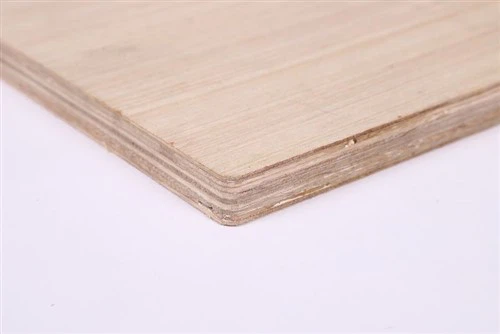
The Base Plywood
At the core of film faced plywood is the base plywood, which is typically made from thin layers of wood veneer. These veneers are usually sourced from fast – growing softwood species such as pine, fir, or poplar. The veneers are glued together using adhesives, and the choice of adhesive is a critical aspect of the plywood’s chemical composition.
Adhesives
The most common adhesives used in plywood production are urea – formaldehyde (UF) and phenol – formaldehyde (PF) resins.
- Urea – Formaldehyde Resins: UF resins are widely used due to their low cost and fast curing time. They are made by reacting urea with formaldehyde under specific conditions. However, UF resins have a drawback in that they can release formaldehyde over time. Formaldehyde is a volatile organic compound (VOC) that can cause health problems, such as eye, nose, and throat irritation, as well as respiratory issues. To address this concern, many manufacturers are now using low – formaldehyde or formaldehyde – free UF resins.
- Phenol – Formaldehyde Resins: PF resins are more expensive than UF resins but offer superior water resistance and durability. They are formed by the reaction of phenol and formaldehyde. PF – bonded plywood is often used in outdoor applications or in environments where high moisture resistance is required. The formaldehyde emission from PF resins is generally lower compared to UF resins, making them a more environmentally friendly option in some cases.
The Film Layer
The film layer is what gives film faced plywood its distinctive properties, such as smoothness, abrasion resistance, and water repellency.
Types of Films
- Melamine Film: Melamine films are commonly used in film faced plywood. Melamine is a nitrogen – rich organic compound that is polymerized to form a hard, durable surface. The melamine film is typically impregnated with a resin, which is then cured under heat and pressure. This film provides excellent scratch and chemical resistance, making it suitable for high – traffic areas and applications where the surface needs to withstand wear and tear.
- Epoxy Film: Epoxy films are another option for film faced plywood. Epoxy resins are known for their high strength, adhesion, and chemical resistance. Epoxy – coated plywood is often used in industrial applications, such as in the manufacturing of molds or in harsh chemical environments. The epoxy film can be customized to provide different levels of gloss and texture, depending on the specific requirements of the application.
Additives in the Film
In addition to the base resin, the film layer may contain various additives to enhance its performance.
- UV Stabilizers: To prevent the film from fading or degrading when exposed to sunlight, UV stabilizers are added. These additives absorb or reflect ultraviolet radiation, protecting the film from the harmful effects of UV rays.
- Flame Retardants: In some applications, flame retardants are added to the film to improve the fire resistance of the plywood. These additives work by reducing the flammability of the material and slowing down the spread of fire.
Other Chemical Components
There are also other chemical components that play a role in the overall performance of film faced plywood.
Preservatives
To protect the plywood from decay and insect damage, preservatives are often applied. These can be water – based or oil – based chemicals. Water – based preservatives are more environmentally friendly and are commonly used in indoor applications. Oil – based preservatives, on the other hand, provide better protection against outdoor elements but may have a stronger odor and longer drying time.
Surface Treatments
Some film faced plywood may undergo surface treatments to improve its appearance or performance. For example, a water – repellent treatment can be applied to enhance the plywood’s resistance to moisture. This treatment forms a thin layer on the surface of the plywood, preventing water from penetrating the wood.
Environmental Considerations
As a responsible supplier, I am committed to providing products that are environmentally friendly. The chemical components of film faced plywood can have a significant impact on the environment.
- Formaldehyde Emissions: As mentioned earlier, formaldehyde emissions from plywood can be a concern. To minimize these emissions, we source plywood that meets strict environmental standards. Many countries have regulations in place to limit the amount of formaldehyde that can be released from wood products. We ensure that our products comply with these regulations to protect the health of our customers and the environment.
- Sustainable Sourcing: We also focus on sustainable sourcing of the wood used in our film faced plywood. This means using wood from well – managed forests that are replanted and maintained to ensure the long – term availability of timber resources.
Why Choose Our Film Faced Plywood

Our film faced plywood is carefully manufactured using high – quality materials and advanced production techniques. The chemical components are selected to provide the best balance of performance, durability, and environmental friendliness.
- Performance: Our plywood offers excellent strength, water resistance, and abrasion resistance, making it suitable for a wide range of applications, from construction to furniture making.
- Durability: The film layer and the base plywood are designed to withstand the rigors of daily use. Whether it’s in a construction site or a high – traffic area, our plywood will maintain its integrity over time.
- Environmental Responsibility: We are committed to reducing the environmental impact of our products. By using low – formaldehyde adhesives and sustainable wood sources, we ensure that our film faced plywood is a responsible choice for our customers.
Contact Us for Purchase and Negotiation
Marine Plywood If you are interested in purchasing film faced plywood, I encourage you to contact us. We have a team of experts who can provide you with detailed information about our products, including the chemical components, performance specifications, and pricing. Whether you are a small – scale woodworker or a large – scale construction company, we can meet your needs. We are open to negotiation and will work with you to find the best solution for your project.
References
- ASTM International. (2019). Standard Specification for Structural Plywood. ASTM D3500 – 19.
- Wood Products Association. (2020). Guide to Plywood Adhesives.
- Environmental Protection Agency. (2021). Formaldehyde Emission Standards for Composite Wood Products.
Everwood Resources
As one of the leading film faced plywood manufacturers and suppliers in China, we warmly welcome you to wholesale bulk film faced plywood in stock here from our factory. All customized products are with high quality and competitive price.
Address: Fei County, Linyi City, Shandong Province, China
E-mail: 616812166@qq.com
WebSite: https://www.chinaeverwood.com/
