In the realm of modern manufacturing, Computer Numerical Control (CNC) Die Sinker Electrical Discharge Machining (EDM) stands as a cornerstone technology, enabling the precise shaping of conductive materials with high accuracy and efficiency. Among the numerous components that contribute to the optimal performance of a CNC Die Sinker EDM machine, the flushing system plays a pivotal and often underestimated role. As a supplier of CNC Die Sinker EDM machines, I’ve witnessed firsthand the impact of an effective flushing system on the overall machining process. In this blog post, I’ll delve into the multifaceted functions of the flushing system in CNC Die Sinker EDM, exploring how it influences key aspects such as machining efficiency, surface quality, electrode wear, and overall machine longevity. CNC Die Sinker EDM

The Basics of Flushing in CNC Die Sinker EDM
CNC Die Sinker EDM is a non – traditional machining process that relies on electrical discharges between an electrode and a workpiece submerged in a dielectric fluid to erode material. The flushing system is responsible for circulating this dielectric fluid through the machining gap—the small space between the electrode and the workpiece where the electrical discharges occur.
The primary function of the dielectric fluid is to act as an insulator under normal conditions and to break down electrically when a high – voltage pulse is applied across the machining gap, allowing the creation of a plasma channel through which the electrical discharge can occur. Once the discharge takes place, the fluid helps to cool and solidify the molten metal, which is then flushed away from the machining area.
Removing Debris and Erosion Products
One of the most critical roles of the flushing system is to remove debris and erosion products from the machining gap. During the EDM process, the electrical discharges melt and vaporize small amounts of the workpiece and the electrode material. This results in the formation of tiny particles, known as debris or sludge, which can accumulate in the machining gap if not properly removed.
If debris accumulates, it can cause several problems. Firstly, it can lead to short – circuits between the electrode and the workpiece. Short – circuits disrupt the normal EDM process, reducing machining efficiency and increasing the risk of damage to both the electrode and the workpiece. Secondly, the presence of debris can cause irregular electrical discharges. These irregular discharges can lead to an uneven surface finish on the workpiece, with rough spots and micro – cracks.
The flushing system uses a combination of pressure and flow rate to ensure that debris is effectively removed from the machining gap. A higher flow rate helps to carry the debris away more quickly, while an appropriate pressure ensures that the fluid can penetrate deep into the complex geometries of the workpiece and electrode. Different machining operations may require different flushing pressures and flow rates, depending on factors such as the size of the machining gap, the type of material being machined, and the complexity of the workpiece’s shape.
Controlling Temperature
The EDM process generates a significant amount of heat due to the electrical discharges. Excessive heat can have a detrimental effect on the machining process and the quality of the finished workpiece. The flushing system helps to control the temperature in the machining gap by continuously circulating the dielectric fluid.
The dielectric fluid absorbs the heat generated during the electrical discharges and carries it away from the machining area. This prevents the workpiece and the electrode from overheating, which could otherwise lead to thermal deformation, material changes, and increased electrode wear. Maintaining a stable temperature in the machining gap is also crucial for achieving consistent machining results. Fluctuations in temperature can cause variations in the electrical conductivity of the dielectric fluid and the workpiece, which can affect the machining accuracy and surface finish.
Improving Machining Efficiency
An efficient flushing system can significantly improve the overall machining efficiency of a CNC Die Sinker EDM machine. By removing debris and controlling temperature, the flushing system helps to maintain a stable electrical environment in the machining gap. This allows for more consistent and rapid electrical discharges, which in turn leads to faster material removal rates.
In addition, a well – designed flushing system can reduce the need for frequent interruptions in the machining process to clean the electrode and the workpiece. When debris accumulates, operators may need to stop the machine to remove the debris manually, which can be time – consuming. By continuously flushing away debris, the flushing system minimizes these interruptions, allowing the machine to run for longer periods without operator intervention.
Enhancing Surface Quality
The surface quality of the machined workpiece is a critical factor in many manufacturing applications. The flushing system plays a vital role in achieving a high – quality surface finish. As mentioned earlier, by removing debris from the machining gap, the flushing system prevents irregular electrical discharges that can cause surface defects such as rough spots and micro – cracks.
The flushing system also helps to distribute the electrical discharges more evenly across the machining area. This is because it ensures a uniform supply of dielectric fluid, which is essential for the formation of stable plasma channels. Evenly distributed electrical discharges result in a more uniform material removal rate, leading to a smoother and more precise surface finish on the workpiece.
Reducing Electrode Wear
Electrode wear is an inevitable part of the EDM process. However, the flushing system can help to reduce electrode wear by maintaining a clean and stable machining environment. When debris accumulates in the machining gap, it can cause the electrode to wear unevenly. This is because the debris can act as a conductor, causing electrical discharges to occur in areas where they are not intended.
The flushing system removes the debris, preventing these irregular electrical discharges and ensuring that the electrode wears evenly. This not only extends the lifespan of the electrode but also improves the accuracy of the machining process. With less electrode wear, the shape of the electrode remains more consistent over time, allowing for more precise replication of the electrode’s shape onto the workpiece.
Ensuring Machine Longevity
The flushing system also contributes to the overall longevity of the CNC Die Sinker EDM machine. By removing debris from the machining area, the flushing system helps to prevent the accumulation of debris in other parts of the machine, such as the pumps, filters, and valves. Debris can cause damage to these components, leading to increased maintenance costs and downtime.
In addition, by controlling the temperature in the machining gap, the flushing system reduces the thermal stress on the machine’s components. Excessive heat can cause components to expand and contract, leading to mechanical fatigue and premature failure. A well – functioning flushing system helps to maintain a stable operating temperature, reducing the risk of component failure and extending the lifespan of the machine.
Conclusion
The flushing system is an integral part of a CNC Die Sinker EDM machine, playing a crucial role in every aspect of the machining process. From removing debris and controlling temperature to improving machining efficiency, enhancing surface quality, reducing electrode wear, and ensuring machine longevity, the importance of a well – designed and properly maintained flushing system cannot be overstated.
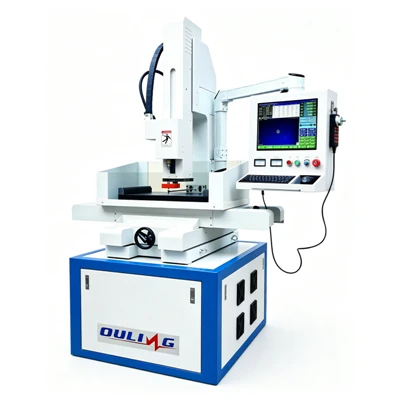
As a supplier of CNC Die Sinker EDM machines, we understand the significance of the flushing system and offer machines equipped with state – of – the – art flushing systems. Our flushing systems are designed to provide optimal performance, with adjustable pressure and flow rates to meet the specific requirements of different machining applications.
Drill EDM If you’re in the market for a CNC Die Sinker EDM machine or looking to upgrade your existing flushing system, we invite you to contact us for a detailed discussion. Our team of experts is ready to assist you in selecting the right machine and flushing system for your needs, ensuring that you achieve the highest level of machining performance and quality.
References
- "Electrical Discharge Machining: Fundamentals and Applications" by Rajurkar, K. P., et al.
- "Modern Machining Processes" by Pandey, P. C. and Shan, H.
- Technical manuals and research papers from leading CNC Die Sinker EDM manufacturers.
Taizhou Ouling CNC Equipment Co., Ltd.
As one of the most professional CNC die sinker EDM manufacturers and suppliers in China, we’re featured by quality products and good price. Please rest assured to buy advanced CNC die sinker EDM made in China here from our factory. Welcome to contact us for quotation.
Address: No. 9 jingang Road, Yangzhou City Jiangsu Province, China
E-mail: 574751243@qq.com
WebSite: https://www.oulingedm.com/
