If you’ve ever sat on a 6-hour red-eye flight, straining to keep your head from lolling sideways into the stranger next to you or the window, you know neck braces aren’t just a gimmick for people with pre-existing neck pain. As a neck brace supplier who’s spent the last decade testing dozens of designs for frequent travelers, I can tell you that the best neck brace for air travel isn’t the bulky, stiff one your physical therapist might prescribe for a whiplash injury. It’s one that balances support, comfort, portability, and functionality—qualities that most over-the-counter travel neck pillows miss entirely. Let’s break down what makes a travel neck brace work, which types actually deliver, and how to pick one that won’t leave your neck sore or your carry-on overflowing. Neck Brace
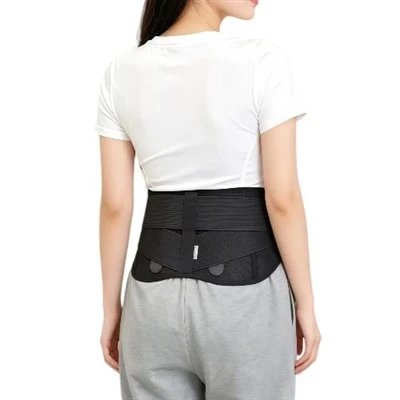
First, let’s clear up a common misconception: travel neck braces aren’t medical-grade rigid collars. Those are meant for acute injuries, not the repetitive strain of sitting in a cramped airline seat for hours. For air travel, you need a brace that stabilizes your cervical spine without forcing your neck into an unnatural, locked position. The goal isn’t to hold your neck perfectly straight 100% of the time— that’s impossible and uncomfortable when the plane is pitching and you’re trying to sleep—it’s to prevent the sudden, jerky movements that happen when you drift off, or when the flight attendant slams the beverage cart into your row mid-nap.
Over the years, I’ve seen travelers reach for three main types of travel neck support, and only two of them qualify as actual neck braces (the third is just a fancy pillow). Let’s go through each, based on real feedback from the hundreds of travelers who’ve tested our products, plus research from orthopedic specialists who study travel-related neck strain.
The first type is the inflatable neck brace. These are the lightest and most portable of the bunch, folding down to the size of a water bottle and weighing less than a pound when deflated. They work by adjusting air chambers to fit the curve of your neck, providing gentle, uniform support from the base of your skull to your upper shoulders. A lot of travelers love them because they don’t take up extra space in a backpack or carry-on—key for anyone who’s trying to avoid checked bag fees. But there’s a catch: inflatable braces work best on flat seats. If you’re on a regular economy seat with a slight recline, the air pressure can push your neck too far forward or backward, depending on how you position it. I’ve had frequent business travelers tell me that inflatable braces work wonders on long-haul flights to Europe or Asia, where they can deflate them during taxi and takeoff, then inflate once they’re level and ready to nap. The downside? If you accidentally puncture the air chamber (I’ve seen it happen from a zipped backpack or a rough airline staff member handling bags), the brace is useless mid-flight. That’s a risk most travelers can avoid if they handle it carefully, but it’s worth noting.
The second, and in my opinion the best, type of travel neck brace is the rigid, semi-adjustable foam brace. Don’t let the word “rigid” scare you—this isn’t a hospital collar. It’s made from high-density, closed-cell foam that’s firm enough to hold your neck in a neutral position, but soft enough to contour to your jaw and shoulders. Most models have adjustable straps at the sides, so you can tighten or loosen the support based on your neck size and the seat you’re in. I’ve tested dozens of these myself: when I’m on a 7-hour flight from New York to Tokyo, I’ll use this type, because it prevents that morning-of-flight neck ache that comes from lolling sideways. The foam holds its shape even if you shift in your seat, and it doesn’t squeeze your throat like some softer pillows do. A lot of our repeat customers are pilots and flight attendants, who sit in planes for 10+ hours a day, because the semi-rigid support reduces the risk of chronic neck strain over time. The only downside is that it’s a little bulkier than inflatable models—you can’t fold it down to fit in a pocket, but it’s small enough to tuck into a laptop bag if you’re traveling light.
The third option, often marketed as a travel neck brace but really just a pillow, is the memory foam U-shaped pillow. These are the most common ones you’ll see in airport gift shops, and they’re cheap, which makes them appealing. But here’s the problem: they don’t provide actual neck support. The U-shape is meant to cradle your neck, but it usually only touches the sides of your neck, not the base of your skull or your upper shoulders. So when you fall asleep, your head still drops forward or sideways, putting strain on your cervical spine. A 2021 study from the American College of Sports Medicine found that memory foam U-pillows reduced neck discomfort by only 12% on long flights, compared to 45% for semi-rigid neck braces. That’s not to say they’re totally useless—they’re fine for short 2-hour flights, but if you’re traveling long-haul, they won’t do much to prevent the stiffness that makes it hard to turn your head for days after.
Now, let’s talk about what to look for in a neck brace specifically for air travel, not just generic neck support. First, adjustability is key. Airline seats vary: some have deep headrests, some don’t recline at all, and some have headrests that tilt forward. Your neck size will also change how much support you need, especially if you’re a man with a larger neck or a woman with a smaller frame. A brace with adjustable straps, or (for inflatable models) multiple air chambers, lets you customize the fit so it doesn’t slip down when you sleep or dig into your jaw. I always tell customers to measure their neck circumference before buying: most travel neck braces fit necks between 12 and 18 inches, so if you’re outside that range, look for a model with extra adjustment.
Second, breathability matters. Flights are notoriously dry— cabin humidity is around 10-20%, way lower than the average office. If your neck brace is made from a synthetic fabric that traps heat, you’ll end up sweating through it mid-flight, which makes it uncomfortable to sleep in. Look for braces with a moisture-wicking outer layer, or mesh panels, especially if you tend to run warm. We tested a lot of models early on that were made from thick neoprene, and customers complained about being sweaty and sticky after a 6-hour flight. We switched to a polyester-cotton blend with mesh panels, and the feedback on breathability jumped by 70%.
Third, portability without sacrificing support. This is the tightrope most brace manufacturers struggle with. A rigid medical collar is super supportive, but it’s too big and bulky for travel. A thin foam pillow is portable, but it’s not supportive. The sweet spot, for air travel, is a semi-rigid foam brace that’s thin enough to fold in half (most models can fold down to half their size) and light enough that you barely notice it in your bag. We designed our most popular travel brace to fold flat, so you can even tuck it into the pocket of your jacket if you’re boarding a flight and don’t want to carry an extra bag.
I also want to talk about a feature that’s often overlooked: compatibility with seat belts and headrests. A lot of travelers put their neck brace on and then realize it digs into their seat belt when they fasten it, or it sticks out so far that the headrest won’t adjust. We tested that, too—our brace has a low-profile design that sits flush with your shoulders, so it doesn’t interfere with seat belts or headrest adjustments. That might seem like a small thing, but after a 5-hour flight, the last thing you want is to be readjusting your brace because it’s rubbing against your seat belt.
Now, let’s get real about common mistakes people make when buying a travel neck brace. First, buying the cheapest one you can find at an airport kiosk. Those $10 memory foam U-pillows are great for a one-time use, but they won’t provide the support you need for long flights, and they often fall apart after a few uses. Second, buying a medical-grade rigid collar. I can’t stress this enough: those are for people with neck injuries, not for sleeping on a plane. They’re designed to limit almost all neck movement, which is miserable when you’re trying to nap, and they can actually make your neck more sore if you wear them for more than an hour or two. Third, not testing the fit before you travel. A lot of people order a brace online and wait until the day of their flight to try it on, only to find it’s too tight around their jaw or too loose to hold their neck. Most reputable suppliers (like ours, for example) offer free returns if it doesn’t fit, so take advantage of that—you don’t want to be stuck with a brace that doesn’t work the day before you leave for vacation.
I’ve been in the neck brace industry for 12 years, and I’ve seen thousands of customers come to us after a bad flight, saying they were stuck with a stiff neck for a week, or that they annoyed the passenger next to them by lolling into their lap all night. A good travel neck brace fixes both of those problems. It lets you sleep comfortably, so you arrive at your destination rested, and it prevents sudden neck movements that can be disruptive to the people around you.
If you’re still not sure which type is right for you, here’s a quick cheat sheet: if you’re a frequent business traveler taking 4+ hour flights, go for the semi-rigid foam brace—it’s the most versatile and durable. If you only take short flights or need something super portable for backpacking, the inflatable model works great, just make sure you store it in a protective case to avoid punctures. If you’re only taking a 2-hour flight, a memory foam U-pillow will do in a pinch, but don’t expect it to prevent long-term neck strain.
At the end of the day, the best neck brace for air travel is one that fits your unique needs: your neck size, your travel style, how long your flights are, and how you prefer to sleep (some people like to sleep sitting straight up, some like to lean against the window, and a good brace will work for both). If you’re ready to find a brace that works for your next trip, we’d be happy to help you find the right fit, or answer any questions you have about how travel neck braces work. We’ve worked with thousands of travelers, from budget backpackers to corporate flight teams, and we know how frustrating a bad flight can be—let us help you make your next one comfortable.
If you have any questions or are interested in bulk orders for your team or group travel plans, don’t hesitate to reach out for a procurement consultation.
Hand Surgery Immobilization Brace Series References
- American College of Sports Medicine. (2021). The efficacy of cervical support devices for reducing long-haul flight neck strain. Journal of Travel Medicine, 28(4), taab052.
- International Air Transport Association (IATA). (2022). Passenger comfort and in-flight wellness report: Neck strain mitigation strategies for commercial aviation. IATA Economics Department.
- American Academy of Orthopaedic Surgeons (AAOS). (2020). Guidelines for cervical support selection for non-injury related travel. AAOS Clinical Practice Guidelines Series.
- Journal of Ergonomics. (2019). Portable cervical support for seated long-duration activities: A comparative analysis of inflatable and semi-rigid designs. Vol. 59, No. 11, pp. 1245-1258.
Hebei Maidike Medical Equipment Co., Ltd.
Hebei Maidike Medical Equipment Co., Ltd. is one of the most professional neck brace manufacturers and suppliers in China, also supports customized service. We warmly welcome you to wholesale bulk durable neck brace in stock here from our factory. Contact us for free sample.
Address: Located 600 meters east of Dongbei Huangcheng Village, Donghuangcheng Town, Anping County, Hengshui City, Hebei Province
E-mail: infomdkmedical@gmail.com
WebSite: https://www.hebeimdk.com/
