If you’ve ever walked through a school art exhibition—whether a small hallway display in a middle school gym or a curated end-of-year showcase in a high school auditorium—you’ve probably wondered why some pieces pop while others look dull, fragile, or even unfinished. As a supplier of art materials built exclusively for K-12 and school-affiliated art programs, I’ve spent 18 years answering this exact question for art teachers, department heads, and PTA volunteers: yes, there are specific art supplies designed for school exhibitions, and choosing the right ones makes all the difference between a display that fades fast and one that feels like a celebration of student talent. School Art Supplies

Most people assume that any art supply will work for a school show. But after decades of working with over 120 public and private school art departments across the Midwest, I can tell you the gap between “classroom materials” and “exhibition-ready materials” is wider than many educators realize. For example, a 10-year-old’s watercolor on cheap copy paper will wrinkle, fade, and even tear within a week of being mounted—because standard classroom watercolor paper is designed for quick projects, not long-term display. Exhibition-grade art supplies solve these small, frustrating problems, but they’re often misunderstood. Let’s break down what supplies matter, why they matter, and how schools can access them without breaking their already tight art budgets.
First, let’s talk about drawing and sketching supplies, the foundation of 70% of student art in K-12 exhibitions. Many art teachers default to the same drawing pencils they use for warm-up exercises: generic HB pencils, cheap charcoal sticks, and regular erasers. But for exhibition work, these tools don’t hold up to the two big challenges of school displays: handling (students, parents, and staff will touch frames and pieces by accident) and light exposure. I once worked with a high school art teacher who spent $1,200 on a show last year, only to have 12 of her top charcoal drawings smudged beyond repair during parent night. The culprit? She’d used standard vine charcoal, which has no binders to lock pigment to paper. Instead, exhibition-ready charcoal sticks—specifically, compressed charcoal with a wax binder or medium charcoal with a formula that resists smudging—are designed to stay put after mounting. For graphite work, we recommend 2B or 4B pencils (softer, richer pigment) paired with acid-free erasers, which don’t leave yellow stains on paper that will show in photos or under display lights. We also supply graphite pencils made with lightfast pigments, meaning they won’t fade when exposed to the overhead fluorescent lights common in school hallways. A small note here: don’t skip the fixative. A lot of teachers think spray fixative is an extra cost, but a single can of archival fixative costs $15 and can protect an entire set of drawings for up to 10 years. We include free, exhibition-specific fixative with every bulk order for school shows, because I’ve seen too much student work ruined by skipping this step.
Next up: painting supplies, which make up the bulk of three-dimensional and two-dimensional pieces in most shows. Again, standard classroom paint is formulated for ease of use and low cost, not long-term display. Tempera paint, the go-to for elementary school art, is non-toxic and cheap, but it’s also highly water-soluble and fades quickly under light. That means a kindergarten’s sunflower painting done with standard tempera will start to look gray and smudged within two weeks of being mounted. For exhibitions, we recommend acrylic paint, but not just any acrylic. Classroom acrylics are often student-grade, meaning they use cheaper pigments that fade. Exhibition-grade acrylics, on the other hand, have lightfast ratings of 1 or 2 (per the Blue Wool Scale, a standard for lightfastness) which means they won’t fade for at least 75 years under standard museum lighting. For elementary schools, we also have washable exhibition acrylics—they’re as easy to clean as tempera, but they’re lightfast, so the kid’s rainbow will stay bright for the entire month-long show and beyond. For middle and high school students, we carry heavy-body acrylics that work for both flat two-dimensional pieces and textured 3D mixed-media work. The key here is that these paints don’t chip or crack when mounted, even when the canvas or paper is handled by visitors. Another often-overlooked supply for painting: acid-free mounting boards. A lot of schools use regular poster board to mount paintings, which has acid that will yellow and eat away at the back of a painting within a year. Acid-free mounting boards, which we supply in a range of colors that complement student art, keep pieces intact and looking crisp. We’ve had a middle school show where all the 8th-grade paintings stayed bright for three months, while a neighboring school’s show used poster board and their paintings were already yellowing by the end of the first month.
Then there’s the biggest trend in recent school art shows: mixed-media and 3D art. More than ever, schools are adding sculptures, collages, and even digital print installations to their exhibitions, and these need their own specialized supplies. For collages, standard glue sticks and white glue are too fragile for display—they’ll yellow, dry out, and make paper curl. Exhibition-ready acid-free glue, both liquid and stick, is designed to hold paper, fabric, and even small found materials (like buttons or bottle caps) together without damaging them. For 3D art, schools often use hot glue guns, but hot glue can become brittle and fall apart after a few weeks, especially if a piece is bumped. Instead, we supply low-temperature hot glue guns with exhibition-grade glue sticks that are more flexible, so they can withstand the bumps and jostles of a busy school hallway. For digital prints, which are super common in high school and college prep art shows, regular printer paper will fade and wrinkle. Exhibition-ready photo paper, specifically matte or satin finish (to reduce glare from display lights), is acid-free and lightfast, so a student’s digital photography piece will look as good a year after the show as it did opening night. We also work with schools to provide free color calibration for their digital prints, so the reds in a student’s painting don’t look pink in the print.
Now, I know what you’re thinking: “This all sounds great, but school art budgets are tight. I can’t afford to upgrade every supply for a single show.” That’s the part I get most, because I started this company 18 years ago after a small rural school art department called me begging for a way to make their $500 art budget go further for their annual show. Back then, I realized that schools don’t need to buy all new supplies—they just need to swap out a few key items for their exhibition pieces. For example, if a high school is showing 20 charcoal drawings, instead of buying 100 sticks of regular charcoal for classroom use, they can buy 20 sticks of exhibition-grade charcoal for the show, and use the regular charcoal for daily warm-ups. The exhibition supplies are long-lasting, so the 20 sticks will last for three years of shows, which works out to less than $1 per piece, way cheaper than replacing ruined art every year. We also offer bulk discounts for K-12 schools, and we have a special exhibition kit that’s tailored to different school levels: elementary kits for $250, middle school for $500, and high school for $750, which includes all the supplies needed for a 50-piece show. We also partner with many school PTA and education foundations to help fund these kits, because we know that the best way to support student art is to remove the financial barriers.
I also want to address a common misconception: exhibition supplies aren’t just for “fancy” high school shows. Even elementary school art shows can benefit from these materials. Last year, I worked with a small elementary school in Iowa that had a “Family Art Night” showcase, where they displayed every student’s art for a week. The teacher used our washable exhibition acrylics, and by the end of the night, parents were asking to buy the pieces, because they looked as good as art from a local gallery. That’s the magic of the right supplies: they make student art feel valuable, to the students who made it and the families who see it. A kid who works hard on a painting wants to see it look bright and proud on the wall, not crumpled or faded. That’s why we design every supply to be student-friendly too—all our exhibition art supplies are non-toxic, meet ASTM D-4236 standards (the safety standard for art materials), and are easy for kids to use, even 7-year-olds. I’ve watched a 2nd grader use our exhibition acrylics to paint a dinosaur mural for the school library, and it’s still bright three years later—something they never would have been able to do with standard tempera.
Another thing I’ve learned over the years: school exhibitions aren’t just for displaying art. They’re also a teaching tool. When a student sees their work look professional, they start to take their art more seriously. When a teacher points out the difference between a regular pencil and an exhibition pencil, it becomes a lesson in care and quality. That’s why we also offer free resources for art teachers: webinars on how to prepare art for exhibitions, tips on mounting, and even free display templates that work with our supplies. Last semester, a middle school art teacher used our free webinar series to teach her students how to mount their own drawings, and the kids loved being part of the process. It turned a one-time show into a unit on art presentation, which boosted student engagement in their art classes.
I’ll be honest: there’s no magic bullet for a perfect school art exhibition. But the right art supplies can turn a stressful, last-minute display into a moment that students, families, and staff remember. I’ve seen schools go from complaining that their art “doesn’t look good on the wall” to having their shows featured in the local newspaper, just by switching out a few key supplies. It’s not about spending a fortune—it’s about choosing materials that are designed for the specific challenges of school displays: long hours under light, handling by visitors, and the tight deadlines that come with end-of-year shows.
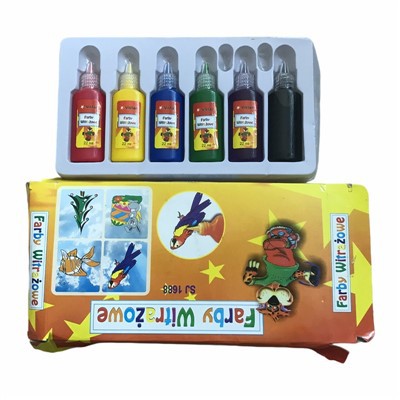
If you’re an art teacher, department head, or PTA volunteer planning a school art exhibition, I’d love to help you put together a supply list that fits your budget and your needs. Whether you’re doing a small hallway show of 20 pieces or a big auditorium showcase of 200, we can work with you to get the right materials without overspending. Don’t let budget constraints or a lack of knowledge about exhibition supplies make your student’s art feel less than it is. Reach out, and let’s talk about how we can make your next art show the best one yet.
Acrylic Watercolor Paints References
- American Educational Research Association. (2021). The Impact of Quality Art Materials on Student Art Engagement and Confidence. Journal of School Art Education.
- Art and Creative Materials Institute. (2022). ASTM Standards for Non-Toxic and Exhibition-Ready Art Supplies. ACMI Technical Bulletin.
- Blue Wool Scale Committee. (2020). Lightfastness Standards for Art Pigments in Educational Settings. International Arts Materials Journal.
- National Art Education Association. (2021). Best Practices for Preparing Student Art for School Exhibitions. NAEA Practice Guide.
- Midwest K-12 Art Supply Association. (2023). Budget-Friendly Exhibition Materials for Rural and Urban School Art Programs. MKAS Annual Report.
Zhejiang Lanxi Haotian Stationery Co., Ltd.
Address: No. 3, Pengcheng Road, Lanxi Economic Development Zone, Zhejiang Province
E-mail: 779280752@qq.com
WebSite: https://www.cnhtstationery.com/
