Hey everyone, if you’ve ever worked on a plumbing, HVAC, or even a DIY home project, you’ve probably stumbled on those tiny, unassuming nipple fittings – and yeah, I’m the guy selling them (no stuffy corporate jargon here, promise). A lot of folks ask me, “What’s the big deal with these little threaded metal or plastic bits?” They look like just short, stubby pipes, right? But trust me, nipple fittings are the unsung heroes of pipe systems. Let’s break down what they actually do, beyond just connecting two pieces of pipe. Pipe Fittings
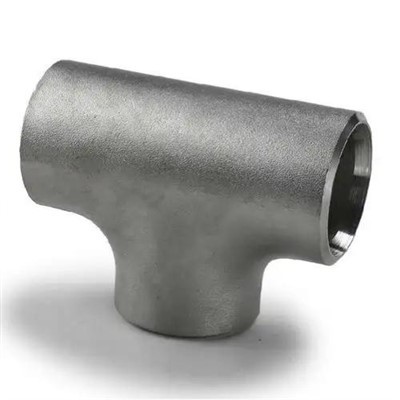
First off, let’s get the basics out of the way quick, no boring textbook deep dive. Nipple fittings are basically short lengths of pipe with male threads on both ends. No female ends, no flanges, just two threaded tips. They come in all sorts of sizes – from tiny 1/8-inch ones for small water lines up to 4-inchers for industrial-grade stuff. Materials matter too: brass for residential plumbing (they don’t rust, super reliable), black steel for gas lines, PVC for drains and irrigation, even stainless steel for food processing plants where corrosion’s a no-go. That versatility is why they’re everywhere, but most people don’t notice ‘em.
Let’s start with the most common use everyone deals with daily: residential plumbing. You’ve seen ‘em under sinks, right? When a plumber installs a new faucet, they can’t just connect the main water line straight to the faucet – there’s usually a gap. That’s where a nipple comes in. Let’s say your sink’s water shut-off valves are set back 3 inches from the faucet mounting hole. You grab a 3-inch brass nipple, thread it on the valve, then screw the faucet onto the other end – boom, perfect fit. No leaks, no forcing pipes. But wait, it’s not just faucets. Water heaters? Nipples connect the hot and cold outlet ports to the home’s main lines, making sure the distance matches so you don’t have kinks or extra pipe hanging loose that could crack over time. Even toilets: sometimes the supply line that runs from the wall to the toilet tank is a short nipple. Simple, but without that little bit of extra length, you’d have to improvise with tape or extra couplings, and we all know how that ends up (leaks. So. Many. Leaks).
Next up, HVAC systems – these bad boys are everywhere there too. Think about your home’s air conditioner or furnace. The ducts that carry cool or warm air aren’t just straight runs. When you need to turn a corner or connect a vent to the main duct, you use elbows, but those elbows need something to connect to the straight duct. Nipples do that. For example, if a supply vent is 2 feet away from the main duct run, a short nipple bridges that gap instead of cutting a whole new duct piece. It’s faster, cheaper, and less likely to cause air leaks (which would waste energy and make your AC bill skyrocket). I’ve had HVAC techs tell me they keep a 2-pack of 1-inch aluminum nipples in their tool bags at all times – you never know when you’ll need to adjust a vent or fix a wobbly duct that’s been blowing cold air sideways for months. Oh, and don’t forget commercial HVAC, like in office buildings. When they’re installing rooftop units, they use longer black steel nipples to connect the refrigerant lines to the unit’s ports. Those nipples have to hold up to extreme weather – rain, snow, hot sun – so we supply them with extra-thick walls to make sure they don’t bend or crack. That’s the stuff you don’t see but keeps the whole building comfortable.
Now, industrial and commercial uses – this is where nipples really show their strength. Let’s talk about gas lines first, a big one for restaurants, factories, and even large apartment complexes. Natural gas and propane lines have to be precise, right? You can’t just guess the length. For example, in a pizza place’s kitchen, each oven needs a gas line connected to the main supply. The oven’s gas inlet is usually a specific distance from the main line, so we cut custom black steel nipples to exactly that length – no extra pipe, no waste, no risk of gas leaking from extra connections (the more couplings you have, the higher the chance of a leak, that’s a rule I live by as a supplier). Another industrial spot: manufacturing plants that handle chemicals. They use stainless steel nipples that resist corrosion from acids or other fluids. If a pipe carrying cleaning solution sprung a leak, that’s not just a hassle – it could halt production for hours. So using the right nipple (stainless steel here) means less maintenance, fewer shutdowns, and that’s huge for business. I’ve worked with a food processing plant that uses our plastic PVC nipples to carry water for washing produce – they’re non-toxic, which is required for food-grade systems, and they hold up to repeated cleaning with sanitizers. No complaints, that’s the kind of job we pride ourselves on.
Wait, what about the stuff people do in their own garages or backyards? DIY projects! I can’t tell you how many times a homeowner comes to me needing a nipple for a random project. Want to build a raised garden bed with a drip irrigation system? You need short nipples to connect the drip lines to the main water spigot. Want to fix a leaky outside spigot? Sometimes you just need to replace the old nipple that connects the spigot to the main line, not the whole spigot. Even things like building a custom bar cart with metal pipes – people use brass nipples for that industrial-chic look, threading them to make the frame. Yeah, that’s a thing now. Nipples aren’t just for functional stuff anymore – they’re part of DIY decor too. That’s cool, I love when people get creative with ‘em beyond plumbing.
Now, let’s talk about why the type of nipple matters so much – that’s a mistake I see people make all the time, and it leads to headaches. Like, don’t use a black steel nipple for a cold water line in your bathroom – it’ll rust over time, and you’ll have brown water coming out of your faucet. Use brass instead. Or don’t use PVC for a natural gas line – PVC can melt or crack under pressure, that’s a safety hazard. We always tell customers to match the material to the job, and we’ve got every type here, from 1/8-inch all the way to 6-inch, custom lengths too. No order is too small or too big – I’ve shipped a single 2-inch brass nipple to a homeowner, and a pallet of 4-inch black steel nipples to a construction company for a new housing development.
Here’s another use you might not have thought of: pressure testing. When someone installs a new pipe system, they have to test for leaks before turning on the water or gas. Plumbers will often use a temporary nipple to plug a test gauge into the system, instead of cutting a new hole. It’s a quick, cheap way to check pressure without messing up the final setup. Same thing with maintenance – if you need to check a water heater’s pressure relief valve, you unscrew the test cap and put a nipple with a gauge on it, that way you can tell if the valve’s working right. No need to drain the whole tank, just use a nipple as a temporary adapter.
Wait, let’s get real for a second – I’ve been in this pipe fitting game for 12 years now, and I’ve seen every mistake. One time a guy called me panicking because he installed a new sink, and the water lines didn’t reach the faucet. He used two short pipe segments with couplings, and within a week, one of the couplings leaked all over his kitchen floor. The fix? A single, properly sized brass nipple. It was a 10-minute job instead of tearing out half his cabinets. That’s why I always tell people: when you need to connect two pieces of pipe with a small gap, don’t add more fittings, use a nipple. It’s simpler, stronger, less chance of leaks.
What about the future? I’ve been working on more plastic nipples made from recycled PVC, which is big with construction companies trying to go green. They want materials that are durable but don’t add to landfill waste, so that’s been a popular order lately. Also, custom nipples for renewable energy projects – like solar water heaters, where they need specific lengths to connect the panels to the storage tank. That’s new stuff, but the same core idea: use a nipple to bridge two parts of a system, make it fit right, no hassle.
I know this stuff sounds boring to someone who’s never had to deal with a pipe leak at 2 a.m. on a Sunday, but trust me, nipple fittings are the backbone of almost any pipe system you use every day. From the water you brush your teeth with in the morning, to the AC keeping you cool at work, to the oven that cooks your pizza, nipples are there, doing their job quietly so you don’t have to think about ‘em.

If you’re working on a project right now – whether it’s a small bathroom remodel, a new irrigation system, or a big commercial build – and you need nipple fittings, hit me up. We’ve got all sizes, all materials, custom cuts too, and I’ll make sure you get exactly what you need so you don’t end up with a leaky mess. No runaround, no hidden fees, just the fittings that get the job done right.
Pipe Tee References:
- Plumbers Standards Association. (2022). Pipe Fitting Best Practices for Residential Plumbing.
- HVAC Contractors of America. (2023). Ductwork Connection Components and Installation.
- Industrial Pipe Supply Association. (2021). Material Specifications for Nipple Fittings in Commercial and Industrial Systems.
- National Home Improvement Association. (2024). DIY Pipe Projects: Using Fittings for Repairs and Custom Builds.
Hebei Haihao Group Huadian High Pressure Pipe Fittings Co., Ltd.
As one of the most professional pipe fittings manufacturers and suppliers in China, we are able to meet the needs of the majority of our customers. Please rest assured to wholesale high quality pipe fittings made in China here from our factory. For price consultation, contact us.
Address: Donglin Industrial Zone, Mengcun County, Cangzhou City, Hebei Province, China
E-mail: haihaohuadian@outlook.com
WebSite: https://www.hhfittings.com/
