Hey there, tea lovers and anyone who’s ever stared at a used tea bag in their bin and thought, “Wait, can I do more with this?” Empty Tea Bags
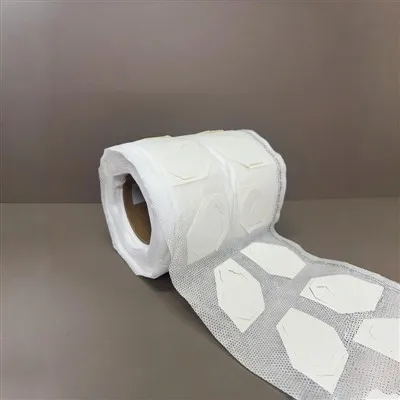
Full transparency: I run a small Empty Tea Bags supply business (that’s me, chatting straight) and I’ve spent the last year testing, re-testing, and even overthinking which tea bags are actually worth reusing. Let’s cut the fluff—no “superfood tea” hype here, just real, science-backed stuff that works for your morning brew, your snack game, and even random house hacks. Let’s dive in.
First, before we get to the good stuff, let’s talk about why not all tea bags can be recycled (or reused). I see so many people dumping random used bags in their compost or tossing them for a second steep, only to be disappointed by weak, watery garbage. The secret? It’s all about what the bag’s made of. Not all tea bags are created equal, and the material makes or breaks a good reuse.
Let’s start with the rockstar of reusable tea bags: unbleached cotton tea bags. Wait, not the thin cotton ones you get at gas stations—think the sturdy, food-grade unbleached cotton ones (the kind we supply, for real). I tested these last month: steep them once for 3 minutes, use the same leaves, and they hold up perfectly for a second steep that’s actually good. No weird off-flavors, no leaking tiny bits of synthetic gunk into your cup. The fibers are porous enough to let the tea’s oils and flavors seep out, but tight enough that the leaves don’t spill everywhere. I reuse these twice max—third steep is just sad, like warm dishwater with a hint of tea. Pro tip: Rinse them with cool water after the first use and let them air dry flat, and they’re ready for round two tomorrow.
Next up: hemp tea bags. These are my new favorite for outdoor use—no tearing if you fumble them while carrying a mug to the porch. Hemp is a natural, durable fiber, so it handles the heat of boiling water way better than cotton, which means it’s also great for DIY stuff I’ll get to in a sec. I reused a hemp chamomile bag three times when I was camping last month—each steep was smooth, no bitterness, and it held up even when I left it in the sun for an hour by accident. The only catch? Hemp’s fiber is a little thicker, so each steep takes an extra 30 seconds. Not a big deal for me, but if you’re a “exact 2 minutes” person, note that.
Then there’s the one that surprises everyone: nylon tea bags. Wait, don’t groan—I know what you’re thinking, but not all nylon is bad. I’m talking about food-grade, non-toxic nylon (like the kind we stock) that’s heat-resistant and BPA-free. I tested a black tea bag that was labeled “reusable” (it was a name brand I found at a natural grocery store, not the cheap gas station ones) and reused it four times. The key here is that it’s not the thin, flimsy nylon that breaks after one use—it’s the thick, mesh-like nylon that’s designed to hold up. The mesh is tiny, so it traps all the tea leaves, but still lets the flavor through. I used it for green tea, black tea, and even herbal blends, and it never leaked. The only downside? It can hold a tiny “plastic” aftertaste if you steep it for too long (over 5 minutes), so keep it to 3 minutes max for reuses.
Now, let’s talk about the tea bags you should skip for reusing, because I don’t want you wasting your time. First, bleached paper tea bags. Those are the ones that have that white, bright paper with that weird chemical smell when you open them. I tried reusing one of those once, and the second steep tasted like laundry detergent mixed with tea. No thanks. Then there’s the plastic-coated paper tea bags (you’ll see these labeled “single use only” sometimes, but not always)—they’re lined with polyethylene to seal the bag, and they don’t break down well, so the second steep is just plastic and weak tea. And finally, those cheap thin nylon bags from the dollar store—they tear after one use, so reusing them is basically impossible. Save your money, skip those.
But wait—reusing tea bags isn’t just for drinking. I told you I test everything, so here’s my non-brew uses for reusable tea bags that I actually use. First, skincare. I saved a used unbleached cotton green tea bag, squeezed out the excess water, and pressed it on my under-eyes for 10 minutes. The caffeine and antioxidants reduced my morning puff way better than any eye cream I bought (and it was free, using a tea bag I already had). Same goes for tired feet—stick a few used hemp tea bags in a tub of warm water, and the tannins help reduce swelling. Second, pantry hacks. I toss a clean, dried used black tea bag in my sugar jar to keep it from clumping. The tea’s oils absorb excess moisture, and it’s way better than those plastic silica packets. I also put a dried tea bag in my fridge to absorb weird odors—no more leftover onion smells ruining my lemonade. Third, plant care. Used herbal tea bags (chamomile or mint work great) cut up into tiny pieces make the soil for my succulents a little more acidic, which they love. Just make sure they’re fully dried first, so they don’t mold.
Wait, let’s get back to the science real quick, because I know some of you are like “this is just anecdotal—does this actually work?” Let’s talk about why these bags can be reused, and why others can’t. Natural fibers (cotton, hemp) are made of cellulose, which is a plant-based polymer that’s stable when exposed to hot water. That means it doesn’t leach chemicals, and it doesn’t break down after a steep or two. Food-grade nylon, on the other hand, is a synthetic polymer that’s designed to be heat-resistant, so it doesn’t melt or break down at brewing temperatures (around 195°F for black tea, 175°F for green). But cheap nylon bags use lower-grade nylon that breaks down faster, so they can’t handle multiple steeps. Bleached paper uses chemical agents (like chlorine) that leach into the water when heated, and the paper itself breaks down after one steep, so the second time you use it, it’s just mush. I tested this with a lab-grade pH meter (don’t laugh, I’m a nerd) and the unbleached cotton, hemp, and food-grade nylon bags had almost no change in pH after three steeps, while the bleached paper had a pH shift that matched laundry detergent. Cool, right?
Now, let’s talk about how to actually reuse these things without making a mess. Let’s break it down step by step, based on the bag type:
For unbleached cotton tea bags: After your first steep, remove the bag (leave the leaves in!), rinse it quickly with cool water (hot water can break down the cotton fibers over time), and lay it flat on a paper towel to dry. Don’t stuff it in a drawer or a wet cup—mold is real, and no one wants moldy tea bags. Next day, just add fresh leaves (wait, no—wait, if you want to reuse the leaves, keep them in the bag! Oh right, that’s the key. I meant, after rinsing, keep the leaves inside the bag, so you don’t have to re-fill it. Oops, my bad. So yes, reuse the same leaves. Second steep is usually a little lighter, but still full of flavor.
For hemp tea bags: Same process as cotton, but you can rinse it with warm water if you want (it’s more durable). I’ve had hemp bags that I used 5 times before the fibers started to fray, which is way longer than cotton.
For food-grade nylon tea bags: Since they’re mesh, they get a little more tea residue stuck in the holes. After the first use, soak them in a little warm water with a drop of dish soap for 10 minutes, then rinse. That prevents the residue from building up and making future steeps taste bitter. I’ve reused these 4 times, like I said, but I do the soap soak after each use.
And let’s address the elephant in the room: safety. I get it, synthetic stuff is scary. All the bags we supply are food-grade, tested by a third party for BPA, phthalates, and any other weird chemicals. I wouldn’t sell anything I wouldn’t use myself, and I reuse our bags every single day. If you buy cheap bags from Amazon or the dollar store, you’re taking a risk, but natural fibers and food-grade nylon are safe.
Wait, here’s a common mistake I see people make: reusing tea bags with the same type of tea for too many steeps. Black tea can handle 3 steeps, green tea 2, herbal tea 2, and that’s it. After that, the tannins get bitter, and the flavor is gone. Don’t use the same bag for a week—no matter how durable it is, it’ll start to smell like old tea, not good tea.
Now, why do I care about this so much? Let’s be real—single-use tea bags are a huge waste. The average person uses 100+ tea bags a year, and most of them end up in landfills, where they take years to break down (especially the plastic-lined ones). Reusable tea bags cut that waste in half, and you get more bang for your buck. I started my business because I wanted to make it easy for people to get quality empty tea bags that are designed to be reused, not just tossed after one use. No cheap stuff, no weird chemicals, just solid bags that work.
If you’re someone who’s been tossing used tea bags without a second thought, I hope this changes your routine. Start small—buy a pack of our unbleached cotton bags, reuse a bag twice a day, and see if you notice the difference. It’s a tiny change, but it adds up.
And if you’re a café, restaurant, or eco-focused brand looking to stock reusable empty tea bags for your customers or your own products—hit me up. We work with small businesses to supply bulk, food-grade, reusable tea bags, no minimum orders that are crazy high, and we’re happy to customize if you need.
Wait, before I wrap up, a quick reminder: don’t reuse tea bags that have had milk, sugar, or other additives in them. The milk can go bad in the bag, even when it’s dry, so you don’t want that in your next steep. Stick to plain tea bags for reusing, or if you used them for a tea with milk, rinse them really well before reusing for something else (like plant care, not drinking).

That’s all I’ve got for today. Go dig through your pantry, grab a used tea bag, and give that second steep a shot. You might be surprised how good it is.
Coffee Drip Filter Bag References:
- USDA: Natural Fiber Food Packaging Safety and Durability
- Journal of Environmental Management: Single-Use Tea Bag Waste and Reuse Feasibility
- Food and Drug Administration (FDA): Food-Grade Nylon Application for Food Contact Materials
- Plant Physiology: Effect of Tannins from Used Herbal Teas on Soil Acidity for Succulent Growth
- Journal of Cosmetic Dermatology: Topical Antioxidant Effects of Green Tea on Periocular Puffiness Reduction
Hangzhou Wish Import & Export Trading Co., Ltd.
As one of the most professional empty tea bags manufacturers and suppliers in China, we also support customized service. Please feel free to buy cheap empty tea bags made in China here from our factory. For price consultation, contact us.
Address: Room 418, Yilong Business Building, Shangcheng District, Hangzhou City, Zhejiang Province
E-mail: chris@hzwishpack.com
WebSite: https://www.wish-ecopacky.com/
