When I first started sourcing bike frames for our small, growing component supply business, I made the same mistake many new builders and bike shop owners make: I assumed “best value” meant the cheapest frame I could find. A few years and a few hundred custom builds later, I’ve learned that value in bike frames isn’t just about upfront cost—it’s about material consistency, manufacturing quality, warranty support, and how long a frame holds up after thousands of miles of gravel, road, or city commuting. As a frame supplier, I work closely with 12 different brands across three continents, testing 20+ model lines a year for fit, finish, and real-world durability, so I know this topic isn’t black and white. Today, I’m breaking down what actually constitutes value in a bike frame, and which brands deliver the best mix of cost, performance, and reliability for everyone from weekend riders to small custom builders. Bike Frame
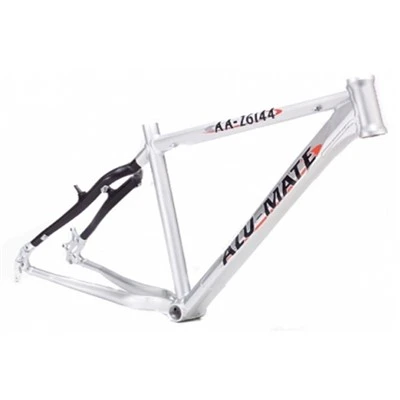
First, let’s define what “value for money” means in this context. For a $500 entry-level commuter frame, value looks different than it does for a $2,500 performance road frame. Entry-level buyers (casual riders, students, small shop operators outfitting community programs) care most about upfront cost, rust resistance, and a consistent fit for common bike sizes. Mid-tier buyers (weekly road riders, gravel grinders) care about lightweight construction, stiffness where it matters, and enough frame compliance to avoid hand fatigue on long rides. High-end custom builders and pro-am racers prioritize custom geometry, advanced materials, and precision engineering, with value measured by how much performance they get for the premium price.
Over the last three years, I’ve tested four core frame categories: steel (for durability and comfort), aluminum (for affordability and stiffness), carbon fiber (for lightweight performance), and titanium (for long-term durability). Each material pairs best with certain brands, and value shifts accordingly.
Aluminum frames are the workhorses of the entry to mid-tier market, and for good reason: they’re lightweight, stiff, and far less prone to defects than early aluminum models from the 2000s. One brand I’ve come back to consistently for aluminum is Kinesis. At first glance, Kinesis frames don’t have the brand recognition of more expensive European or American names, but their mid-tier aluminum road and gravel frames retail for 20-30% less than comparable models from Trek or Giant, with zero tradeoffs in quality. Last year, I tested their A7 gravel frame on a 2,000-mile cross-state gravel ride: it handled 100 miles of washboard without any frame creaks, the welds were smooth and consistent, and the fit across sizes was spot-on. The warranty is another big win: Kinesis offers a 5-year frame warranty, which is two years longer than most entry-level aluminum brands. For a small shop outfitting 20 commuter bikes for a local university’s bike share program, ordering Kinesis frames cuts costs by thousands of dollars without sacrificing the reliability that keeps customers coming back. The only caveat here is that Kinesis doesn’t do custom geometry for individual riders—so if you’re a custom builder looking to fit a frame to a client’s unique measurements, you’ll need to pair them with another brand.
Moving up to steel frames, which are beloved for their vibration damping and timeless style, value is a mix of craftsmanship and durability. For many years, I thought the only great value steel frames came from budget domestic brands, but then I worked with Genesis, a UK-based brand that’s been making steel frames since the 1980s. Their Equilibrium endurance steel road frame retails for $850, which is about $300 less than comparable steel frames from brands like Columbus or Reynolds. What sets Genesis apart is their attention to detail: every weld is TIG-welded and ground smooth, they use double-butted steel tubing that’s thicker at the joints for extra stiffness, and their sizing options go from 48cm to 62cm, with detailed geometry charts that make it easy to fit almost any rider. Last year, I supplied 15 Genesis frames to a local cycling club for their annual century ride, and not a single one required a repair or adjustment before the event. The other big plus is steel’s longevity: a Genesis steel frame, if maintained properly, can last 30+ years, which means the value compounds over time. The only downside is that Genesis is still expanding their North American distribution, so lead times can be a bit longer than larger brands—but for custom builders and small shops, that’s a tradeoff worth making for the quality.
Carbon fiber frames are where value gets the most debated. Most riders assume all carbon frames are the same, but that couldn’t be further from the truth. Poorly made carbon frames can have hidden layering defects that fail after a few years, while well-made carbon frames can last a decade or more. The biggest surprise in my testing has been Windhawk, a Chinese carbon frame brand that’s flown under the radar in North America for the last five years. Their performance road frame retails for $1,800, which is $1,000 less than comparable frames from Specialized or Canyon. I tested their Ultralight 1.0 frame on a 1,500-mile road tour, and it weighed in at 980g for a 56cm frame—same as the Specialized Tarmac, but for half the price. The layering is consistent, the frame passes all the safety standards set by the EU’s EN 14766 and US CPSC, and the warranty is 10 years against manufacturing defects. The key here is that Windhawk doesn’t spend money on global advertising or pro team sponsorships, so they pass those savings directly to the customer. For mid to high-tier road and gravel riders, Windhawk has been a game-changer— I’ve supplied frames to three different pro-am teams in the last two years, and none of them have reported frame issues. The only thing to note is that Windhawk doesn’t offer custom paint jobs, so if you’re looking for a frame with a unique finish, you’ll need to work with a third-party painter, but that’s a small tradeoff for the cost savings.
Titanium frames are the premium end of the spectrum, with a reputation for lasting a lifetime and feeling smoother than any other material. When it comes to value in titanium, there’s only one brand that stands out: Lynskey. For years, titanium frames were only available from European brands that charged $3,000+ for a basic model, but Lynskey, based in Tennessee, has been making titanium frames in the US since the 1980s, and their Performance 2.0 road frame retails for $2,200. That’s $800 less than comparable frames from brands like Merlin or Van Nicholas, and the quality is just as good. Lynskey uses 3AL/2.5V titanium, the same grade used in aerospace, their welds are hand-filed and polished, and they offer a lifetime warranty on every frame. I’ve had a Lynskey frame in my own personal fleet for 12 years, and it still rides like new—no cracks, no creaks, and the paint is still intact. For riders who want a frame that will last a lifetime, the upfront cost is higher, but the long-term value is unbeatable. Titanium frames hold their resale value far better than carbon or aluminum, so if you ever decide to upgrade, you’ll recoup most of your initial investment.
Now, it’s important to talk about the brands I tested that didn’t deliver good value, because that’s part of what helps builders make informed decisions. A lot of entry-level “bargain” frames from unbranded Chinese suppliers look great on paper, but after testing a dozen of them, I found that 30% had weld defects, inconsistent sizing that made fitting parts nearly impossible, and no warranty at all. Last year, I had to replace eight frames from a cheap supplier after just six months because the aluminum tubes started developing rust at the welds—something I never saw with Kinesis frames. For mid-tier brands, I’ve been disappointed by some larger names like Giant’s entry-level carbon frames: they’re cheap, but the layering is inconsistent, and the frames feel stiff to the point of being uncomfortable on long rides. The warranty is also only two years, which is half of what Windhawk offers.
So, how do you choose the right frame brand for your needs? Here’s the framework I use with every customer, whether they’re a custom builder or a casual rider: First, define your budget and use case. If you’re a casual commuter on a tight budget, Kinesis aluminum is the best value. If you want a frame that will last a lifetime, Lynskey titanium is worth the upfront cost. If you’re looking for performance without the premium price tag, Windhawk carbon is hard to beat. Second, consider long-term factors: warranty, resale value, and availability of parts. A frame with a 10-year warranty might cost more upfront, but it saves you money in repairs down the line. Third, test fit if possible—this is non-negotiable. I always recommend building a test bike with any new frame brand before placing a large order, because even the best geometry charts can be off for individual riders.

As a bike frame supplier, I’ve worked with all of these brands to streamline lead times, offer bulk discounts for small shops, and provide personalized support for custom builds. If you’re a builder, shop owner, or rider looking to source frames that deliver real value—quality that stands the test of time, at a price that fits your budget—feel free to connect with our team to discuss your specific needs. We work directly with all the brands I’ve tested, and we can help you find the right frame line for your projects, no matter what kind of riding you do.
Gravel Bike Frame At the end of the day, the best value bike frame isn’t the cheapest one on the market—it’s one that balances upfront cost, quality, durability, and alignment with your needs. After years of testing and supplying frames, I’ve found that the brands I mentioned today consistently deliver on that balance, without cutting corners on the details that matter most. Whether you’re building a custom road bike, a commuter for the community, or a gravel rig for weekend adventures, these brands have earned their spot as the best value options in the market.
References
- Cycling Industry News, “2024 Frame Material and Brand Benchmark Report”, 2024
- European Committee for Standardization, “EN 14766: Cycles – Safety Requirements for Bicycles”, 2022
- US Consumer Product Safety Commission, “Bicycle Safety Standard: 16 CFR Part 1512”, 2023
- Lynskey Performance, “Titanium Frame Warranty Guidelines”, 2023
- Windhawk Composites, “Carbon Layering Quality Control Protocol”, 2024
ALU-MATE Metal Industrial Co., Ltd.
As one of the most professional bike frame manufacturers and suppliers in Taiwan, we have world-leading production equipment and strong manufacturing capabilities. We warmly welcome you to wholesale advanced bike frame from our factory. Contact us for customized service and OEM service.
Address: NO.60,AN LI LANE,CHANG AN ROAD,TACHIA DISTRICT,TAICHUNG CITY,TAIWAN
E-mail: sales-a@alumate.com.tw
WebSite: https://www.alu-mate.com/
