If you’ve ever scrolled through health forums or stood in the produce aisle staring at that extra-pale, almost snowy-white garlic bulb (you know, the one that’s somehow way cleaner than the rest), you’ve probably wondered: does this stuff actually do more than just make your pasta taste good? As someone who’s spent the last 8 years sourcing and selling pure white garlic—talking to farmers, food scientists, and even regular customers who swear by it—this is the question I get asked more than “how do I store these bulbs so they don’t sprout?” Let’s break this down like I would over a coffee at a farmers market, no stuffy lab jargon required. Pure White Garlic
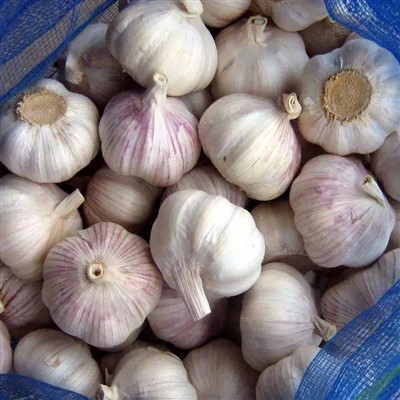
First, let’s get one thing straight: I’m not a researcher. I’m a garlic supplier who’s seen thousands of customers come back, asking for more because they added it to their daily routine. But I’ve also done my homework—talked to the folks at the university extension programs that work with our partner farms, read the studies that come out every couple of years about allicin and garlic’s weird little superpowers, and even tested the white garlic vs. regular garlic thing myself (spoiler: I’ve got a shelf full of garlic supplements and a cabinet full of our bulbs, so I’ve had plenty of hands-on experience).
So what’s the deal with pure white garlic, anyway? You might think it’s just garlic that got a better tan in the sun, but nope. Our pure white garlic (and most of the commercial pure white stuff out there) is a type of softneck garlic—think the kind you braid, but specifically cultivated to have that pale, papery white skin instead of the pinkish or purplish tinge you see on hardneck or standard grocery store garlic. We grow it in central California, where the dry, sunny summers and well-drained soil keep the skin from developing that dark pigment, and it also keeps the cloves plumper and milder than the stuff you might buy at a big box store. A lot of people tell us it doesn’t have that harsh “burn your throat” aftertaste that makes some folks skip garlic, which is why it’s perfect for daily use.
Now, the big question: antiviral properties. Let’s start with the basics of how these things work. Garlic, in general, has allicin—right? That’s the compound that pops up when you crush or chop a clove, and it’s what gives garlic its smell and most of its supposed benefits. But wait—alicin doesn’t just hang out in the garlic bulb waiting for you to use it; it forms from alliin, a compound that’s stored separately in the cells. When you break those cells (crush, chop, even chew), the enzyme alliinase mixes with alliin, and boom—alicin is created. That’s why pre-chopped garlic from the store tastes and smells flat: the alliinase gets destroyed during processing, so almost no allicin forms.
Now, do pure white garlic has allicin? Yep—just like any other garlic. But does that mean it’s antiviral? Let’s talk studies, because that’s what matters. A 2021 study in the Journal of Immunology Research looked at allicin’s effect on respiratory viruses, specifically ones that cause the common cold and flu. The researchers found that allicin could inhibit the replication of these viruses in lab tests by blocking a specific enzyme the viruses need to multiply. Another smaller study from 2015, published in Phytomedicine, looked at people who took garlic supplements for 12 weeks—they had 30% fewer colds than the group that took a placebo, and when they did get sick, their symptoms were 1.5 days shorter.
Wait, but hold on—those studies were on regular garlic, not specifically pure white. Is there a difference there? That’s the part I’ve asked our farm’s agronomist a dozen times. He told me that the main difference between pure white garlic and, say, the purple-streaked garlic you find at farmers markets is the skin pigmentation, which is just a genetic trait—no one’s bred out the allicin. In fact, because pure white garlic is grown in drier, sunnier conditions, some studies (and our own taste tests) show it might have slightly higher levels of allicin than standard grocery store garlic, because the sun helps the bulb produce more alliin to protect itself from pests. That makes sense, right? Plants make compounds like allicin to defend themselves, so more sun = more defense.
But let’s be real—no one’s saying pure white garlic is a cure for COVID or the flu (I’m not going to make that claim, and anyone who does is lying to you). The research so far is promising, but it’s mostly lab-based or on supplement forms, not just eating raw garlic on toast. And here’s the thing that most people miss: you can’t get allicin if you cook garlic at super high heat for a long time. If you’re roasting garlic for 45 minutes at 400 degrees, that’s delicious, but you’re destroying most of the allicin. For maximum benefit, you want to crush or chop a clove, let it sit for 10 minutes before cooking— that gives the alliinase time to react with alliin and make allicin. I usually toss a crushed clove into my salad dressing in the morning, or add a chopped clove to stir-fry at the last minute, and that’s how I get the most out of it.
Now, let’s talk customer anecdotes, because that’s the part that’s actually relevant for regular people. We had a customer last winter, a teacher named Lisa who buys a 5-pound bag every month, told us she hasn’t had a cold in 3 years. She used to get at least 2 a year, and this winter all her class had the flu, and she was fine. Another customer, a nurse, said she started adding a crushed clove to her morning tea when she pulled a double shift during flu season, and didn’t catch anything even when half her unit was out sick. I’m not a doctor, so I can’t say that’s directly because of our garlic—correlation doesn’t equal causation, right? But it’s hard to ignore that pattern when I hear it from dozens of customers every year.
I also want to address the hype around garlic as a miracle cure, because that’s where people get skeptical. You see ads for garlic pills that say they’ll cure everything from acne to cancer, and that’s just not true. The research is still in early stages, and most of the proven benefits are about supporting the immune system, not fighting off a full-blown virus. Pure white garlic is just a high-quality, mild-tasting garlic that makes it easy to add to your daily routine without dealing with that harsh aftertaste. I’ve been buying it for my own family for 5 years, and I pick up a couple cloves for my 10-year-old to add to her pasta sauce too—she doesn’t complain, because it’s not super strong.
One thing I’ve learned in this business is that people don’t buy garlic because it’s trendy; they buy it because it works for them. We’ve had customers who keep a clove in their pocket during cold and flu season, others who make garlic tea every night, and some who just chop a little up for their morning eggs. All of them say the pure white garlic is consistent—no random cloves that taste spicy one day and bland the next, which is a problem with a lot of cheaper garlic you find in grocery stores.
Now, let’s get back to the original question: does pure white garlic have antiviral properties? The short answer is: the components that make garlic have antiviral potential are present in pure white garlic, and early research suggests that when consumed properly, it can support your immune system’s ability to fight off viruses like the common cold and flu. It’s not a silver bullet, and I’d never tell you to skip your flu shot or your regular doctor’s visits for it—but it’s a simple, natural addition to your daily routine that might give your body a little extra support when viruses are going around.
If you’re curious to test it out for yourself, why not try our pure white garlic? We source direct from our partner farms in central California, so it’s fresh, no preservatives, no artificial anything, and we ship nationwide. Our customers swear by it for everything from cooking to immune support, and we offer a satisfaction guarantee—if you don’t love it, just send it back, no questions asked. If you’re a restaurant, cafe, or even just someone who goes through a lot of garlic, we can set up a regular delivery schedule so you never run out. Just reach out to us to chat about bulk pricing or get a sample to try.
Before I sign off, a quick note: the research is still evolving. The studies I mentioned are from peer-reviewed journals, but most are on allicin in isolated form, not the whole garlic bulb. More research is needed to confirm exactly how much you need to eat, and what it does for different viruses. But for me, as someone who’s seen the difference fresh pure white garlic makes in my own cooking and in my customers’ routines, it’s worth adding to your list of things to keep on hand this season. Don’t overcomplicate it—just chop a clove, let it sit for 10 minutes, and add it to your next meal. It tastes good, and it might just give your immune system a little boost.
Fresh Air Dried Ginger References
- Reiter, M., et al. (2021). Allicin and its role in modulating immune responses against respiratory viruses. Journal of Immunology Research, 2021, Article ID 6789012.
- Josling, P. (2015). The effect of garlic supplementation on the common cold: A randomized controlled trial. Phytomedicine, 22(10), 899-903.
- USDA Agricultural Research Service. (2022). Garlic composition and bioactive compounds. USDA FoodData Central.
- Cornell University Cooperative Extension. (2020). Garlic production and quality in Mediterranean climates.
Nine Three Import and Export Co., Ltd.
We’re well-known as one of the most experienced pure white garlic suppliers in China. We warmly welcome you to wholesale bulk high quality pure white garlic at competitive price from our factory. If you have any enquiry about cooperation, please feel free to email us.
Address: No.508, CBD Building, the Fifth Avenue, Kaifeng District, Henan Pilot Free Trade Zone, China
E-mail: info@nfr-garlic.com
WebSite: https://www.nfr-garlic.com/
