Hey there, everyone! If you’ve ever stood in front of a big, rumbling tractor and thought, “How the heck do I get this thing moving?”—you’re not alone. I’ve been in the tractor game for over 15 years, running a small (but fierce) supplier spot that works with family farms, landscaping crews, and even folks who’ve got a wild side project that needs a little heavy lift. I’ve seen new hires freeze up when faced with a 100-horsepower John Deere, I’ve had a first-time tractor owner call me panicking at 7 a.m. because their new Kubota wouldn’t turn over, and I’ve even helped a guy in a flannel shirt who tried to hotwire his old Massey Ferguson in the middle of a hay field (pro tip: don’t do that). Today, I’m breaking down exactly how to start a tractor—no fancy engineering degree required, just real, tested steps I’ve used hundreds of times, plus the little hacks I wish someone told me when I was a newbie too. Tractor
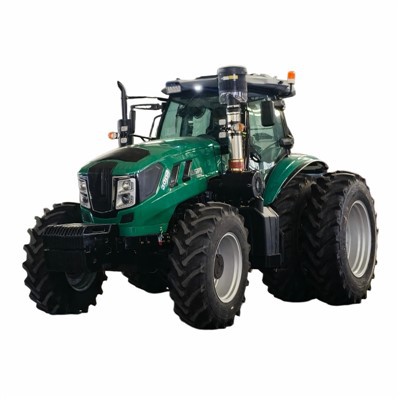
First off, let’s cut the crap: tractors aren’t rocket science, but they do have a few safety hoops you can’t skip. I’ve seen way too many folks skip the basics and end up with a dead battery or (worse) something way more dangerous. Let’s start with pre-start checks—this isn’t just busywork, it’s how you make sure you don’t waste 20 minutes cranking an engine that’s out of oil. What do you need to do before you even think about turning the key? First, take a quick walk around. Check the tires—low pressure here means you’ll struggle to move, or even damage the rims if you drive too far. Look for any obvious leaks; if you see diesel pooling under the engine, that’s a sign something’s off, and starting it could make it worse. Then, pop the hood (or lift the side panel, depending on the model) just to peek at two things: oil level and coolant. Most tractors have a dipstick for engine oil—pull it out, wipe it off, stick it back in all the way, then pull it again. The oil should be between the two notches; if it’s low, add a little before you start. No oil = fried engine, and that’s a $5,000 mistake you don’t wanna make. Coolant? Same vibe—look at the reservoir, it should be between the “min” and “max” lines. If it’s cold, don’t open the radiator cap (trust me, that’s a burnt arm waiting to happen); just top up the reservoir.
Next, get in the seat. This part is non-negotiable: almost every modern tractor has a seat sensor. If you’re not sitting all the way back in the seat, engine won’t turn over. I’ve had people stand on the step, lean in to turn the key, and wonder why nothing happens—seat sensor, duh. Once you’re settled, let’s talk about the levers. First, the PTO (power take-off) lever—this is the one that runs your mowers, balers, or loaders. It needs to be all the way down, locked in the “disengaged” position. If that’s even a little pulled up, engine won’t start. Then, the transmission lever—most tractors have a range lever (high/low) and a gear lever. Both need to be in neutral. Yeah, I know it’s tempting to skip this just to get the job done, but starting a tractor in gear is a quick way to roll over your trailer or hit a fence. I’ve seen it happen—once, a kid tried to start his first tractor without putting it in neutral, and it lurched forward, took out my supplier’s toolbox. Oops. So double-check: neutral, PTO disengaged. Got it? Good.
Now, the moment you’ve been waiting for: prepping the fuel and ignition. Wait—what kind of tractor do you have? This is a big one. Most small to mid-size tractors (like the ones we supply) are diesel, but some older models run on gas. If it’s diesel, especially in cold weather, you might need to prime the fuel system. How? Find the primer bulb (it’s a little rubber button on the fuel line, usually near the engine) and squeeze it 5-10 times until it gets firm. If you skip this, the engine won’t get enough fuel to turn over, and you’ll be cranking the starter for 10 minutes like a dummy. If it’s warm out, or a gas tractor, you don’t need to prime—just hit the fuel key.
Now, turn the key. Wait—don’t just jam it and hold it for 10 seconds. On most tractors, the key goes to “on” first (that’s the position before cranking). Hold it there for 2-3 seconds. Why? That’s when the glow plugs (on diesel tractors) warm up the engine’s combustion chambers. In cold weather (below 40 degrees F), you might need to hold it there longer—5-7 seconds. You’ll see a little light on the dash that says “glow plug” or just a squiggly line—wait for that light to turn off before you crank. If you crank right away, the engine will be hard to start, and you’ll wear out the starter motor way faster. I tell all my customers: starter motors are expensive, don’t abuse ’em.
Once the glow plug light goes off, turn the key all the way to “start” and hold it for 3-5 seconds. If it doesn’t fire up right away, let go of the key, wait 10 seconds, and try again. Cranking for more than 5 seconds straight is bad news—it overheats the starter, and you’ll be waiting 15 minutes for it to cool down before you can try again. Most tractors will fire right up if you did the pre-checks right. If it sputters, maybe check the fuel level—you might have run low, which happens more than you think when you’re in the middle of a big job.
Wait—what about older tractors, like the ones built before the 2000s? I’ve got a soft spot for the old Massey Fergusons and John Deere 2010s. They don’t have all the fancy safety sensors, so it’s a little different. For old gas tractors, you’ve got a choke lever. Pull the choke out all the way when it’s cold, then push it in half-way once the engine is idling smooth. For old diesels, no glow plugs—you just prime the fuel bulb, put it in neutral, flip the fuel switch on, and crank. But here’s the warning with old tractors: no seat sensor means if you start it and step off, it’ll keep running. Don’t do that. I’ve seen a guy start his old tractor, step off to grab his coffee, and it rolled into his garden. Embarrassing, and not cheap to fix.
Now, what if it won’t start? Let’s troubleshoot the most common issues, because I get this call every single week. First, dead battery. That’s the #1 problem. If you turn the key and nothing happens, just a click or nothing at all, it’s probably the battery. Don’t jump it with a car! Car batteries put out way more power, and you can fry the tractor’s electronics. Use a tractor battery charger, or another tractor—hook the positive to positive, negative to negative, and make sure both are off before connecting. Second, fuel issues. If the starter turns over but the engine doesn’t fire up, check if you have fuel. The fuel filter could be clogged, or you might have water in the fuel (that’s a big one in the winter). If you’re in a cold climate, water in the fuel freezes and blocks the line—add a fuel anti-gel next time you fill up. Third, safety switches. Like I said, modern tractors have a bunch—seat sensor, PTO lever, neutral switch. If everything else checks out, wiggle the PTO lever a little, sit a little further back in the seat, shift the transmission lever in and out of neutral. 9 times out of 10, one of those switches is just a little out of place, and the engine won’t start until you fix that.
A few final pro tips from someone who’s dealt with enough broken tractors to write a small book. First, after you start it, let it idle for 30 seconds, especially in cold weather. Don’t rev it up right away—give the oil time to circulate to all the parts. Second, if you’re not gonna use it for a while, turn the key off, engage the parking brake, and put the transmission in gear (wait, no—for storage, put it in neutral, set the parking brake). Third, if you’re new to tractors, don’t be afraid to ask questions. I’ve had customers call me at 9 p.m. because they can’t figure out their new tractor, and I’ll walk them through it—no charge.
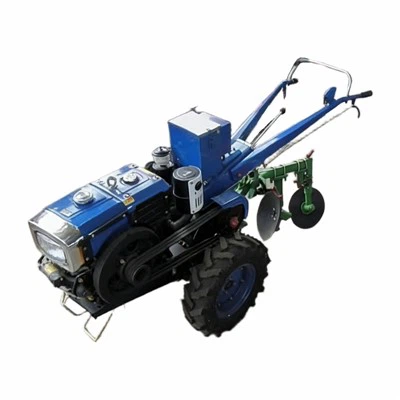
Speaking of new tractors: if you’re in the market for a reliable, easy-to-start tractor (whether you’re a first-time buyer or a seasoned farmer), we’ve got you covered. We stock mid-size models perfect for small farms, landscaping jobs, or that side project you’ve been planning. Our team knows tractors inside and out—we can help you pick the right model, walk you through starting it, and answer any questions you have down the line. If you’re ready to chat, just reach out to us—we’d love to help you get moving.
Agricultural Implements References:
- Tractor Safety Council. (2022). Pre-Start Safety Checks for Agricultural Tractors. North American Equipment Safety Alliance.
- Kubota Tractor Corporation. (2021). Operator’s Manual: M6060 Tractor. Kubota North America.
- American Society of Agricultural and Biological Engineers. (2020). Best Practices for Diesel Tractor Operation and Maintenance. ASABE Standards.
Shandong Ling Ke Industry Group Co., Ltd.
As one of the most professional tractor manufacturers and suppliers in China, we’re featured by quality products and good price. Please rest assured to buy cheap tractor for sale here from our factory. We also accept customized orders.
Address: 50 Meters West of the Connecting Road Between Jiuma Road and Shima Road, Fangzi District, Weifang City, Shandong Province, P.R.China
E-mail: aileenlin@sdlingkegroup.com
WebSite: https://www.lingketractor.com/
